Transcription of Melodies
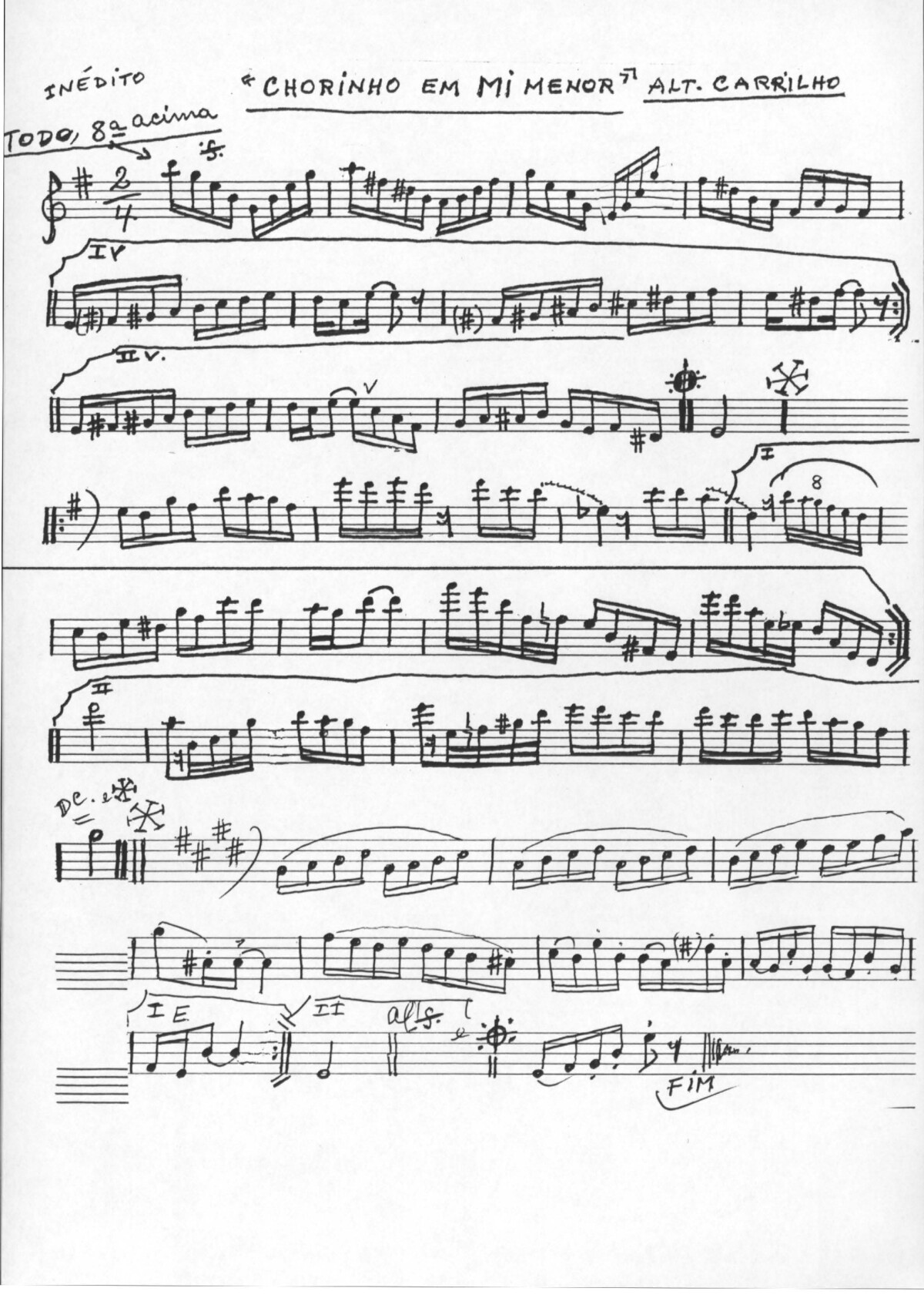
The Instituto Casa do Choro (ICC) in Rio de Janeiro holds over 28,000 catalogued scores — the largest choro archive in the world. Many of these historical scores have been edited by ICC, but are not machine-readble and thus inaccessible for computational research. Our team works on manuall transcribing many early choro manuscripts, which will serve for analysis and the development of Opical Music Recogition (OMR) techniques, preserving the cultural heritage of choro and unlocking a vast corpus for computational modeling.
Automatic Chord Estimation
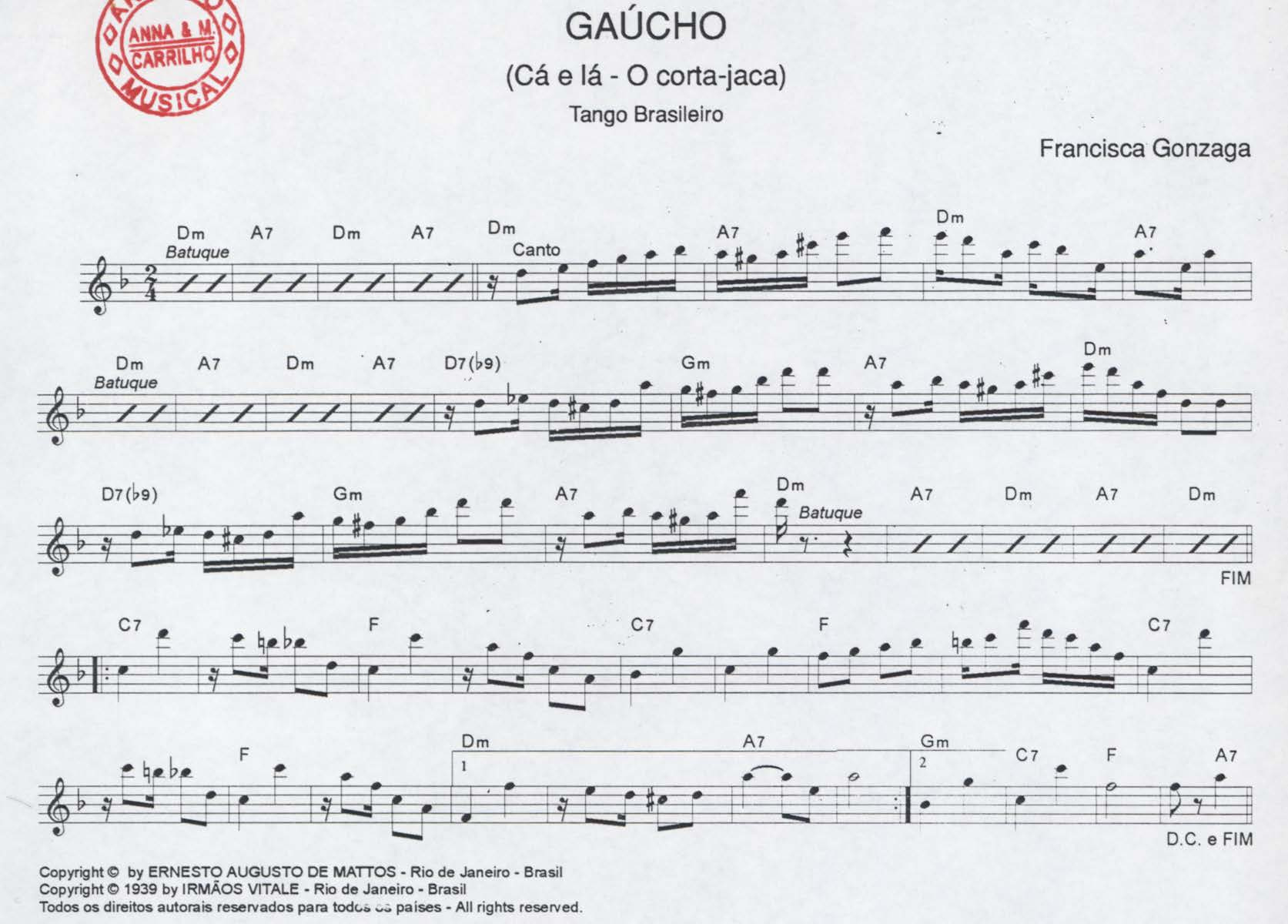
Experts at ICC manually annotate chord symbols for choro melodies — a time-consuming process requiring deep stylistic knowledge. This research explores AI-driven approaches to automatic harmonization, training machine-learning models on existing harmonizations to generate chord annotations for unprocessed archive material. Beyond technical development, the project critically evaluates the reception of such AI tools by the choro community, addressing questions of trust, usability, and cultural fit.
Computational Analysis
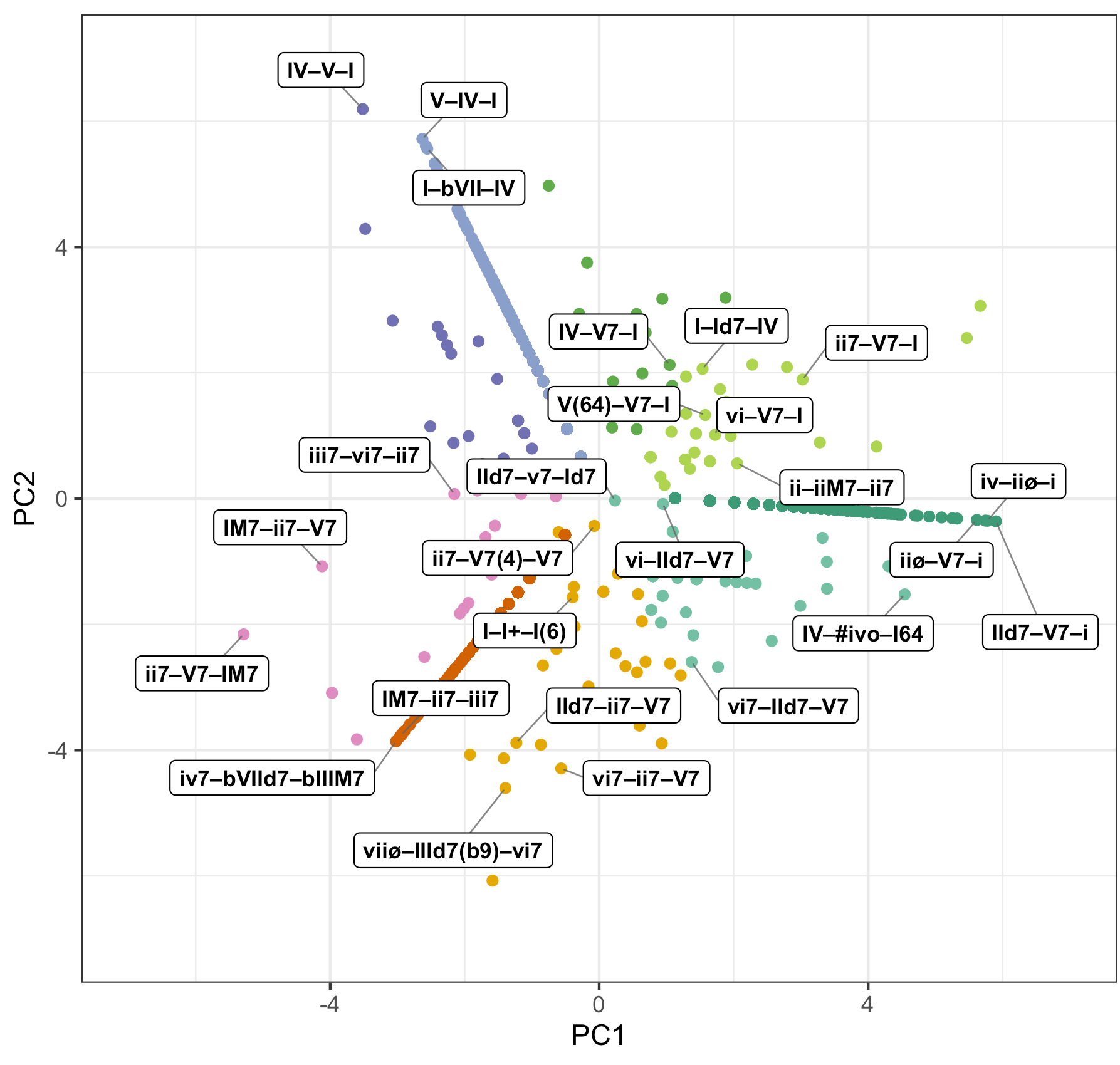
The digitized corpus enables large-scale, data-driven exploration of choro's musical language. Using computational methods from music information retrieval and corpus studies, we analyze harmonic patterns, formal structures, and stylistic conventions across hundreds of compositions. Comparative studies situate choro within the broader landscape of Western classical and Anglophone popular music, revealing what makes the genre's harmonic vocabulary distinctive.